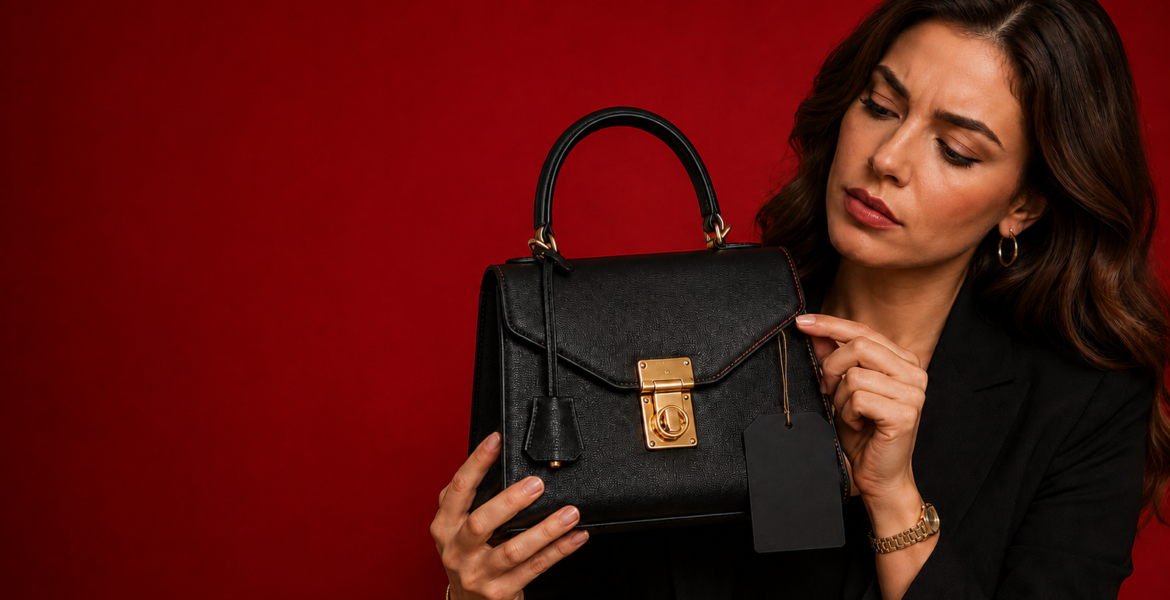
How to Spot a Fake Designer Bag: Real Signs to Check
Quick Answer
To spot a fake designer bag, check the stitching for evenness, examine the hardware for weight and finish, look closely at the logo placement and font, inspect the lining and interior tags, and always buy from authorised retailers or reputable resellers who offer authentication. No single sign is completely reliable on its own, so checking several details together gives the clearest picture.
Buying a designer bag is a significant purchase, and the counterfeit market has become sophisticated enough that spotting a fake is no longer as simple as it once was. Whether you are buying secondhand, from an online marketplace, or even in person, knowing what genuinely to look for can save you from an expensive mistake. Here are the real signs worth checking.
1. Check the Stitching Carefully
Genuine designer bags are made with precise, even stitching. Look closely at the seams, handles and edges. Authentic stitching is usually straight, consistent in length, and uses a thread colour that matches or intentionally contrasts with the leather in a deliberate way. Loose threads, uneven spacing, or visibly crooked lines are strong indicators of a counterfeit, since genuine manufacturers rarely allow this level of inconsistency to leave the factory.
2. Examine the Hardware
Zips, clasps, buckles and studs reveal a lot about authenticity. Genuine hardware tends to feel heavier and more substantial than it looks, since real brands typically use solid metal rather than lightweight alloys. Check for an engraved brand name on zip pullers and clasps, and look closely at the engraving itself. Shallow, blurry or slightly misaligned engraving is a common sign of a fake, since counterfeiters often struggle to replicate the precision of the original tooling.
3. Look at the Logo Placement and Font
This is one of the most reliable checks, and also one of the easiest to compare using official reference images. Genuine logos are consistently placed, correctly spaced and use the exact font the brand is known for. Search for official product photos of the exact bag style online and compare the logo directly. Even a slightly wrong letter spacing, size or placement is often enough to confirm a counterfeit.
4. Inspect the Lining and Interior
Counterfeiters often focus most of their effort on the exterior, since that is what buyers notice first, which means the interior can be a giveaway. Check the lining material, stitching around interior pockets, and any interior tags or serial numbers. Genuine bags typically use consistent, good quality lining throughout, while fakes often cut corners here with thinner fabric, sloppy stitching or missing interior tags altogether.
5. Check the Authenticity Card, Dust Bag and Packaging
While packaging alone cannot confirm authenticity, since counterfeiters do replicate it, missing or clearly low quality packaging is a red flag. Genuine dust bags usually have proper drawstrings, correct branding, and a fabric weight consistent with the brand’s usual materials. If buying secondhand, ask the seller directly whether original packaging, receipts or authenticity cards are included, and treat vague or evasive answers as a warning sign.
6. Consider the Price
If a designer bag is being sold significantly below its usual retail or resale price, this alone should raise questions, even if every other detail looks convincing. Genuine designer bags rarely lose enough value to be sold at a fraction of typical resale prices, particularly for popular or recent styles, so an unusually low price is often the first and most obvious sign something is wrong.